

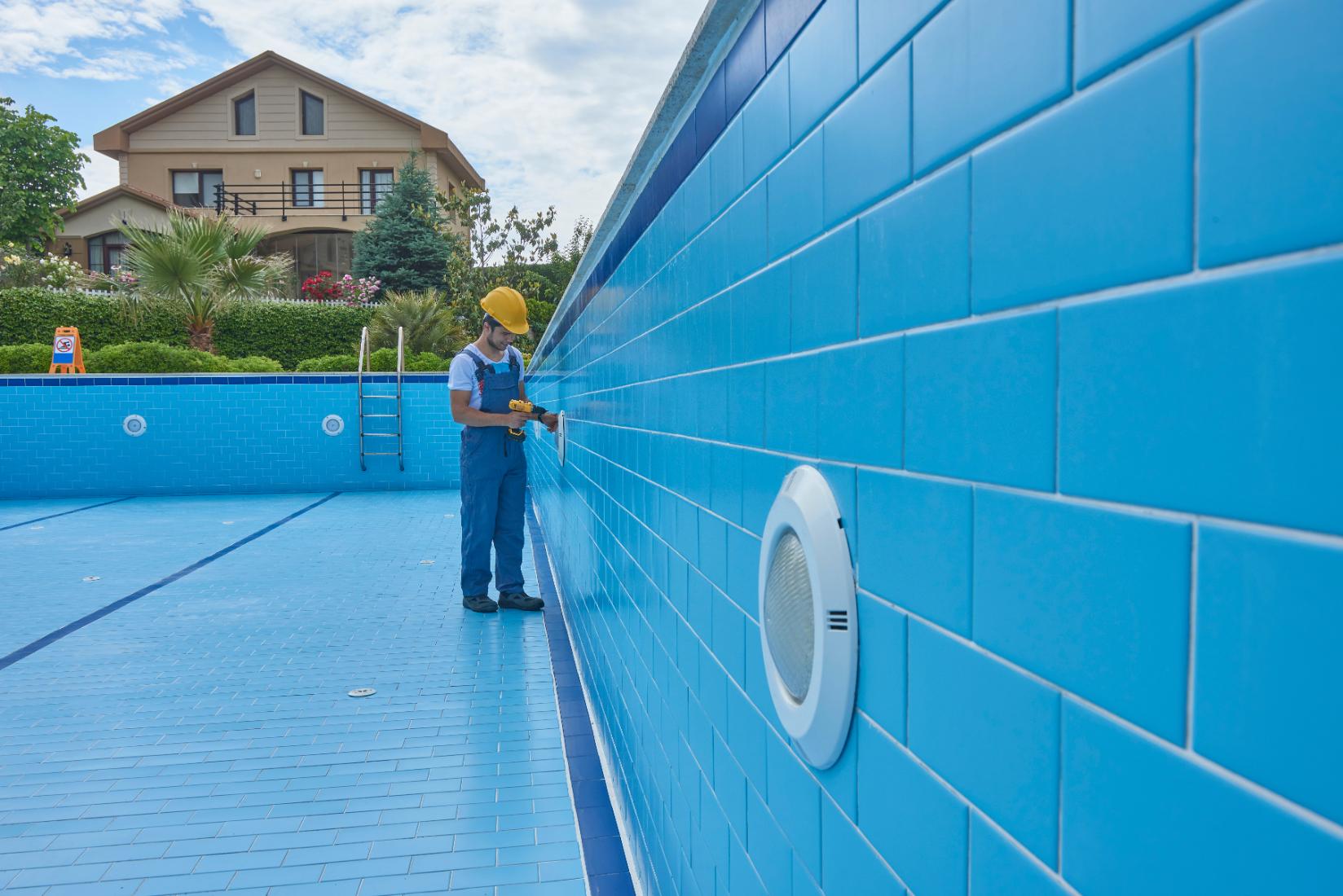
A leaking pool can be frustrating, especially during the long swimming season in Chandler, AZ. When water levels seem to drop faster than expected, many homeowners search for a quick solution and often come across products like Flex Seal. While these products can appear to offer an easy fix, the reality is more complicated.
Quick Answer
Flex Seal may temporarily slow or stop very small leaks in limited situations, but it is not a permanent repair for most pool leaks. Pools experience constant water pressure, sun exposure, chemical treatment, and surface movement that can cause temporary sealants to fail over time. Identifying the source of the leak and using the correct repair method is the best way to protect your pool from larger problems.
What Local Readers Should Know
-
Arizona’s intense UV exposure can cause temporary sealants to deteriorate faster than many homeowners expect.
-
Water loss is common during hot summers, but excessive water loss could indicate a leak rather than normal evaporation.
-
Pool leaks can originate in plumbing lines, fittings, skimmers, lights, or the pool shell, not just visible cracks.
-
Homes throughout Chandler, Ocotillo, Sun Groves, and nearby communities often experience soil movement that can contribute to structural stress around pools.
-
Temporary repairs may buy a little time, but they rarely eliminate the underlying cause of a leak.
Why This Matters Locally
Pool ownership is part of everyday life across Chandler and much of the East Valley. With months of high temperatures, pools receive heavy use while constantly battling intense sunlight and evaporation. According to the National Weather Service, summer temperatures regularly exceed 100 degrees, making it difficult to distinguish between normal evaporation and an actual leak.
SolWater Pools helps local homeowners evaluate pool leaks using proper inspection methods instead of relying on guesswork. Once we identify the source of the problem, we can recommend the repair that best fits the condition of the pool.
Local Field Observations
Temporary leak repair products are among the most common DIY solutions homeowners try before scheduling an inspection. In our experience, many pools that receive spray-on or brush-on sealants eventually require professional pool repairs because the visible crack was only one symptom of a larger issue.
We’ve also found that plumbing leaks, failing fittings, and damaged skimmers often get overlooked because homeowners naturally focus on the most obvious surface crack.
Local Impact
A small leak may not seem urgent, but continuous water loss can become expensive over time. Beyond higher water bills, leaking pools may lead to soil erosion beneath decking, equipment running longer to maintain water levels, and unnecessary chemical costs.
In neighborhoods throughout Chandler, Gilbert, Mesa, and Queen Creek, expansive soils can shift when exposed to excess moisture. While not every leak creates structural concerns, delaying repairs can increase the likelihood of more extensive damage.
Warning Signs Your Pool May Have a Leak
A pool leak often produces several warning signs rather than just one. Watch for:
-
Water levels dropping more than expected despite normal evaporation.
-
Wet or soft soil around the pool equipment or decking.
-
Air bubbles returning through pool return jets.
-
Cracks that continue growing over time.
-
Unusually high water bills.
-
The need to add chemicals more frequently than usual.
-
Pool equipment losing prime or running inconsistently.
-
Areas around the pool remaining damp long after irrigation has stopped.
When Should You Call a Professional?
Professional leak detection is recommended whenever water loss continues after basic checks. Homeowners can safely monitor water levels, inspect visible cracks, and perform a simple bucket test to compare evaporation with actual water loss.
However, plumbing leaks, underground leaks, equipment issues, or structural concerns require specialized testing equipment. Attempting multiple DIY repairs without identifying the leak source can make diagnosis more difficult later.
Common Causes of Pool Leaks in the Chandler Area
Pool leaks rarely come from a single cause. Some of the most common include:
1. Surface Cracks
Small cracks in plaster or concrete may allow water to escape, although not every visible crack leaks.
2. Plumbing Leaks
Underground plumbing can develop leaks due to age, shifting soil, or damaged fittings.
3. Skimmer Separation
The joint between the skimmer and pool shell is a common leak location.
4. Pool Light Niches
Light fixtures and conduit penetrations sometimes allow water intrusion if seals deteriorate.
5. Equipment Pad Leaks
Valves, filters, pumps, and fittings can leak continuously without homeowners noticing immediately.
Does Flex Seal Actually Work on Pool Leaks?
Flex Seal can work as a short-term patch for certain small, accessible leaks, but it has important limitations.
Products like Flex Seal are designed to create a waterproof barrier. While that barrier may adhere temporarily to some surfaces, pools present conditions that challenge these products every day. Constant water pressure, chlorine exposure, temperature swings, and Arizona sunlight all reduce the lifespan of many temporary coatings.
Flex Seal also cannot repair:
-
Underground plumbing leaks
-
Structural movement
-
Broken fittings
-
Expanding cracks
-
Failed skimmer joints
-
Equipment leaks
Applying a sealant without identifying the true leak location may hide symptoms while allowing water loss to continue elsewhere.
Prevention and Maintenance
Preventing larger repairs starts with routine inspections.
Helpful maintenance includes:
-
Monitor water levels weekly during peak summer months.
-
Inspect visible cracks before they grow larger.
-
Check pool equipment for slow drips.
-
Keep pool chemistry properly balanced.
-
Schedule leak inspections if water loss becomes consistent.
-
Address small repairs before seasonal monsoon storms arrive.
Routine inspections are generally less expensive than waiting until water damage becomes widespread.
What Results Can You Expect?
Professional leak detection helps identify where water is actually escaping rather than treating symptoms alone. Once the leak source is confirmed, repairs can be targeted to the affected area.
The appropriate repair depends on the pool’s construction, the leak location, and the condition of surrounding components. Some repairs are relatively straightforward, while others may involve plumbing or structural work.
Common Mistakes Homeowners Make
Mistake: Spraying sealant over every visible crack.
Consequence: The actual leak may remain active underneath or elsewhere.
Better Approach: Confirm the leak source before selecting a repair method.
Mistake: Assuming every water loss issue is evaporation.
Consequence: Weeks or months of unnoticed leakage.
Better Approach: Perform a bucket test and monitor water levels carefully.
Mistake: Waiting until water bills become excessive.
Consequence: Larger repairs and possible soil erosion.
Better Approach: Schedule an inspection when unusual water loss first appears.
Common Local Scenario
A Chandler homeowner notices their pool dropping nearly an inch every couple of days during the summer. Assuming the heat is responsible, they continue adding water for several weeks before trying a spray-on sealant over a visible crack.
The water loss slows briefly but soon returns. A professional inspection later discovers the actual leak was located near the skimmer connection rather than the surface crack. The temporary repair delayed identifying the real problem.
Related Pool Services
Depending on the inspection results, helpful services may include:
-
Professional leak detection
-
Plumbing repairs
-
Skimmer repairs
-
Structural crack repair
-
Equipment inspections
-
Pool resurfacing when aging finishes contribute to multiple issues
Comparing Your Options
| Option | Best For | Limitations |
|---|---|---|
| Flex Seal or Similar Products | Very small temporary surface issues | Usually short-term and may not address the actual leak |
| DIY Pool Patch Kits | Minor cosmetic or localized repairs | Requires accurate diagnosis |
| Professional Leak Detection | Identifying the true source | Requires specialized equipment |
| Professional Repairs | Long-term correction | Depends on repair type and leak location |
Service Areas
We proudly serve homeowners throughout Chandler, Gilbert, Mesa, Queen Creek, Tempe, Ahwatukee, and surrounding Maricopa County communities. Local knowledge helps us understand how Arizona weather and soil conditions affect swimming pools throughout the region.
The Cost of Ignoring a Pool Leak
Ignoring a leak can increase water costs, waste chemicals, place additional strain on pool equipment, and contribute to soil movement beneath surrounding hardscapes. What begins as a small repair can become much larger if water continues escaping for weeks or months.
Frequently Asked Questions
Does Flex Seal permanently repair pool leaks in Chandler?
No. Flex Seal is generally considered a temporary solution for limited situations. Most permanent repairs require identifying the leak source and using materials designed specifically for pool construction.
How much water loss is normal during an Arizona summer?
Some evaporation is expected because of high temperatures and low humidity. If your pool consistently loses significantly more water than expected, a leak inspection may be worthwhile.
Can pool leaks damage my property?
Yes. Long-term leaks can contribute to soil saturation, higher utility costs, and additional wear on pool equipment. The extent depends on the leak location and how long it goes unnoticed.
How do I know if my Chandler pool is leaking or just evaporating?
A bucket test is one of the simplest ways to compare evaporation with actual pool water loss. If the pool loses considerably more water than the bucket, a leak may be present.
Are plumbing leaks common in older pools?
Yes. Aging plumbing components, fittings, and underground pipes can develop leaks over time, especially in areas where soil movement occurs.
Should I repair a visible crack myself?
Small cosmetic cracks may be suitable for certain DIY products, but visible cracks do not always indicate the true leak location. An inspection is recommended if water loss continues.
How long does professional leak detection take?
The time varies depending on the pool size and suspected leak location. The goal is to locate the source accurately before recommending repairs.
Is it worth repairing a small pool leak quickly?
Yes. Addressing leaks early can help reduce ongoing water loss and may prevent additional damage that becomes more expensive to repair later.
Final Thoughts
Temporary products like Flex Seal may seem appealing because they promise a fast solution, but most pool leaks require accurate diagnosis before they can be repaired correctly. Understanding the source of the leak helps protect your investment and avoids repeated temporary fixes that fail over time.
Protect Your Pool With the Right Repair
A professional inspection can identify the real source of your pool leak so you can make an informed repair decision. Contact us today to schedule your pool leak evaluation and keep your pool ready for another Arizona swimming season.